



















What an AI Design System Includes

Foundations and Tokens
Type, colour, spacing, radius and motion tokens, plus tokens for AI states such as thinking, streaming, AI-generated content and confidence, exported as code-ready JSON.
Prompt and Input Components
Prompt bars with attachments, modes and suggestions, designed around real tasks instead of an empty chat box.
Streaming and Thinking States
Answers that stream with a clear stop and retry, thinking indicators that explain the wait, and partial results people can act on.
Trust Components
Citations and sources, confidence labels, AI-generated content markers and undo, so users know when to rely on the output.
Agent Approval and Activity
Plan previews, approval cards, run timelines and activity logs for agents that act on the user's behalf.
Error, Refusal and Empty States
What the product says when the model fails, refuses, hits a limit or has nothing to show yet.
Documentation and Usage Rules
A docs site with do and don't examples, so designers, developers and AI coding tools apply the system the same way.
Figma and Code in Sync
Figma components matched to tokens and components in your codebase, ready for React, shadcn or your own stack.
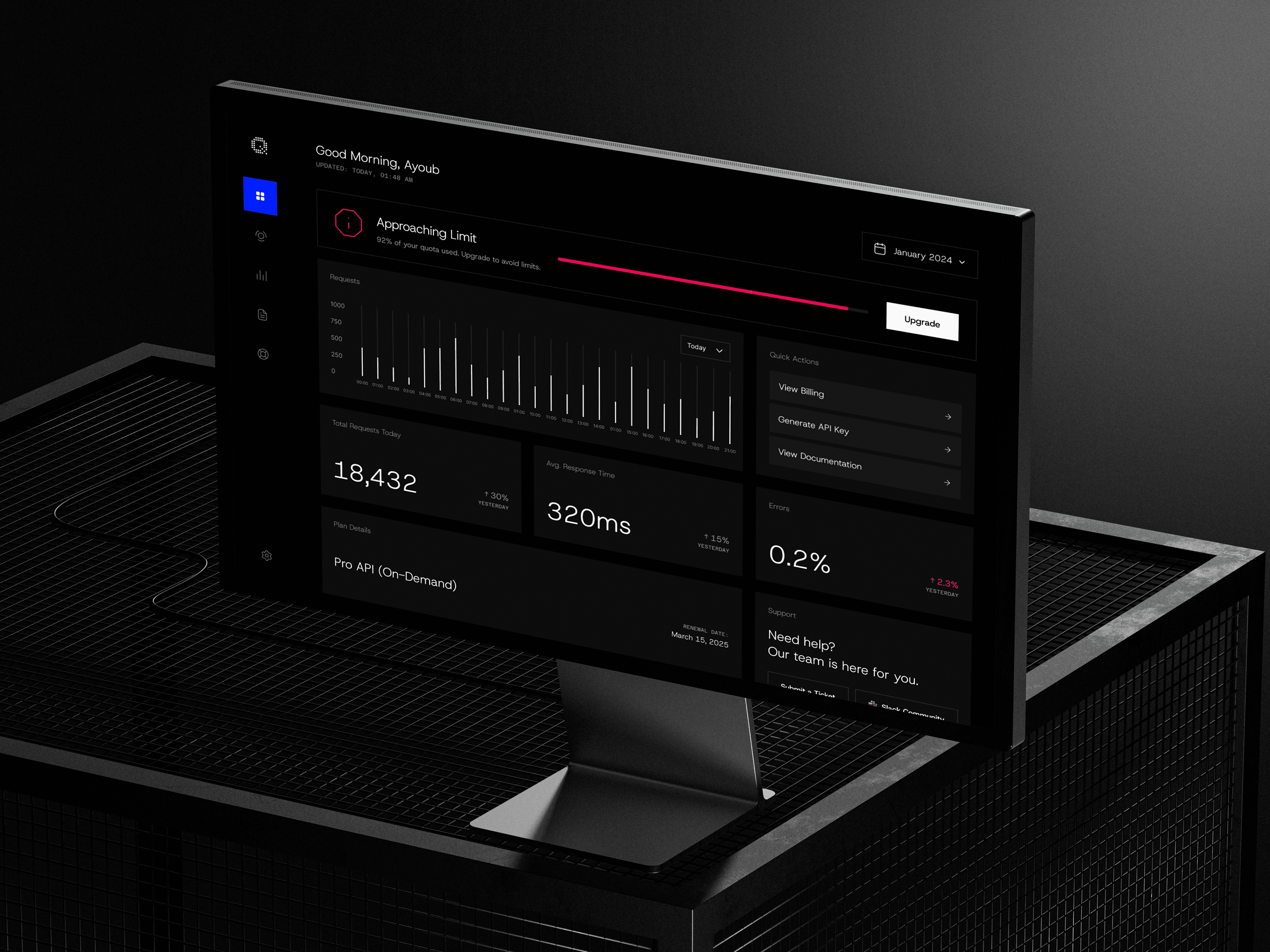
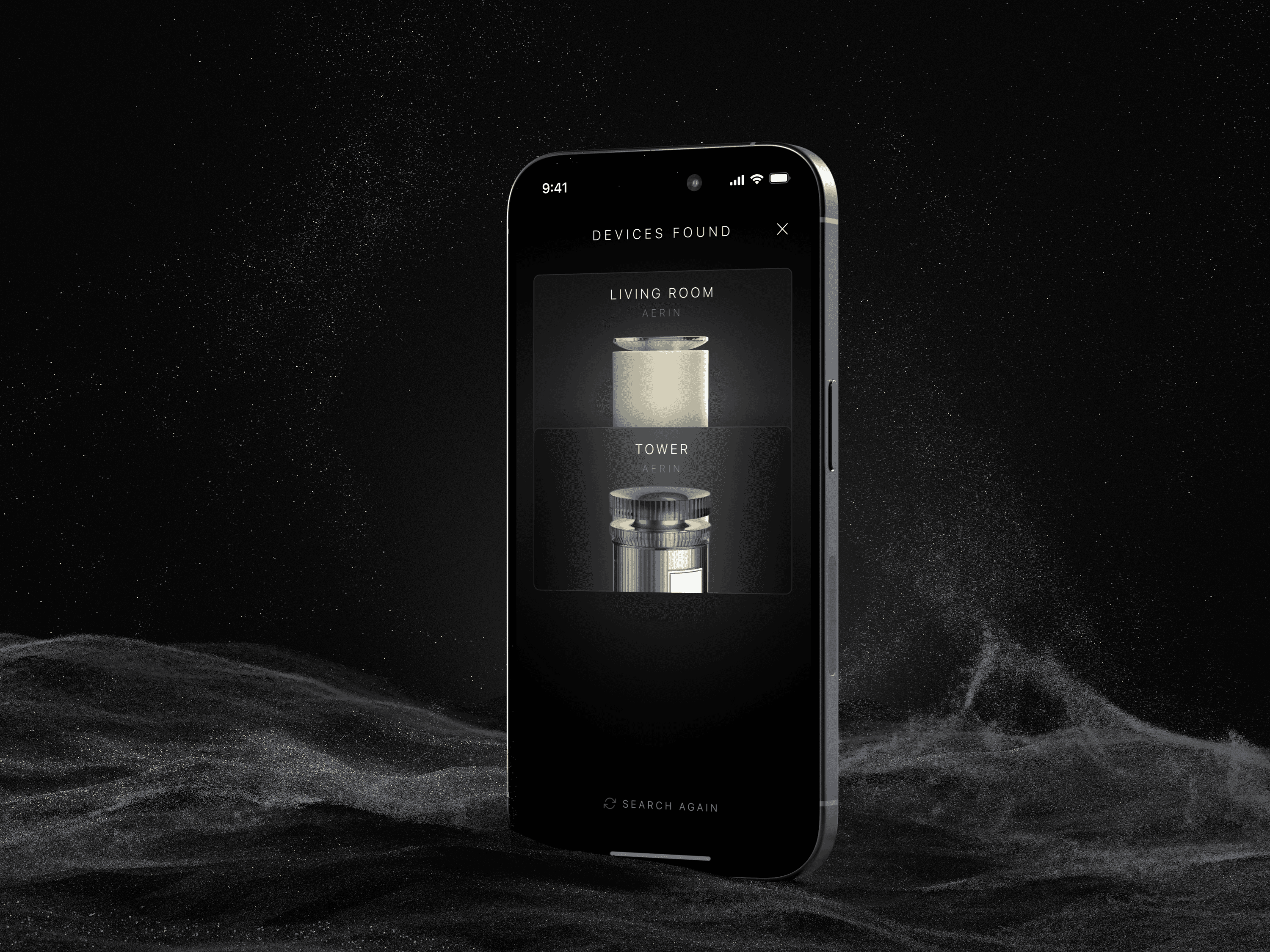
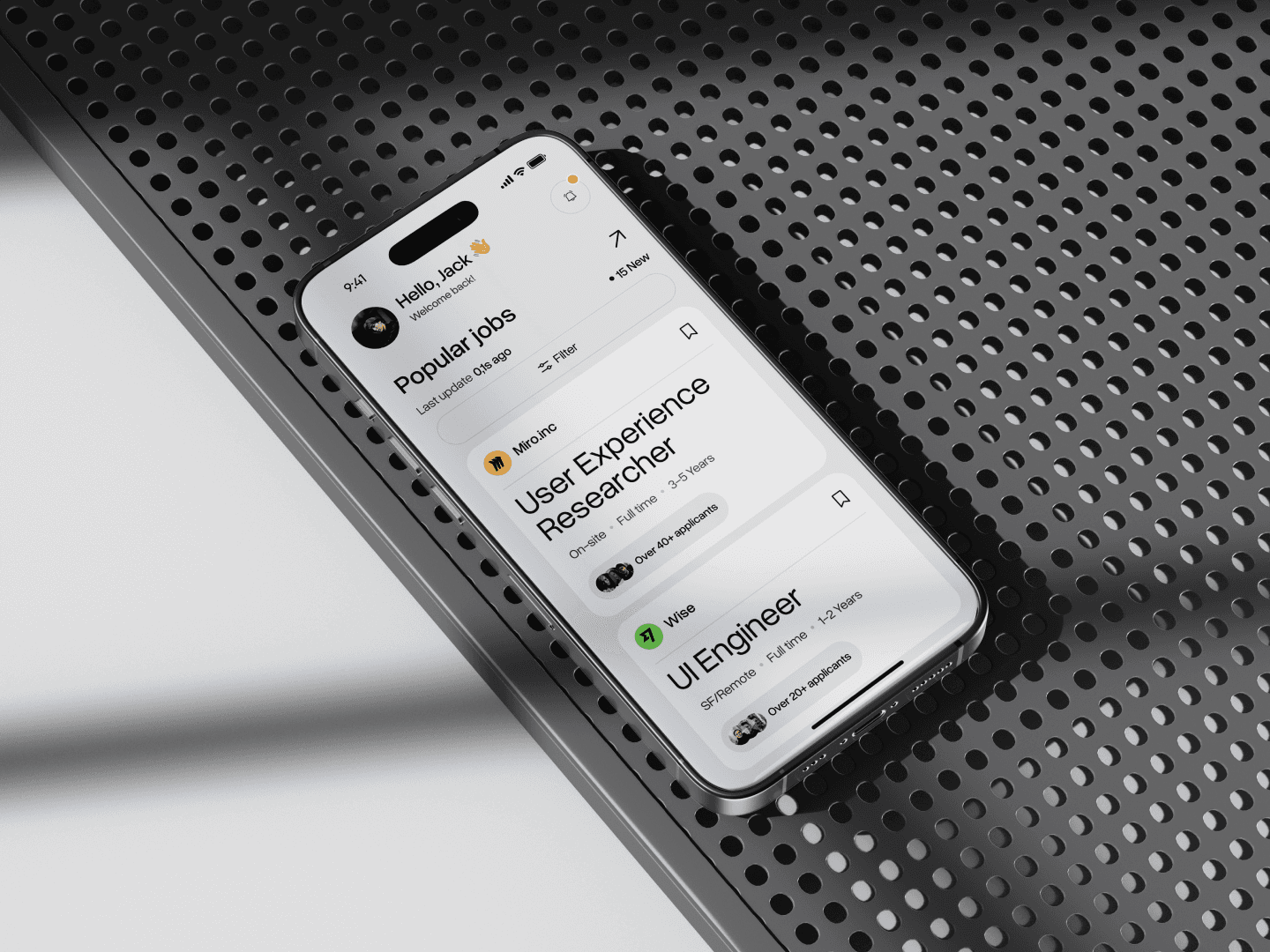
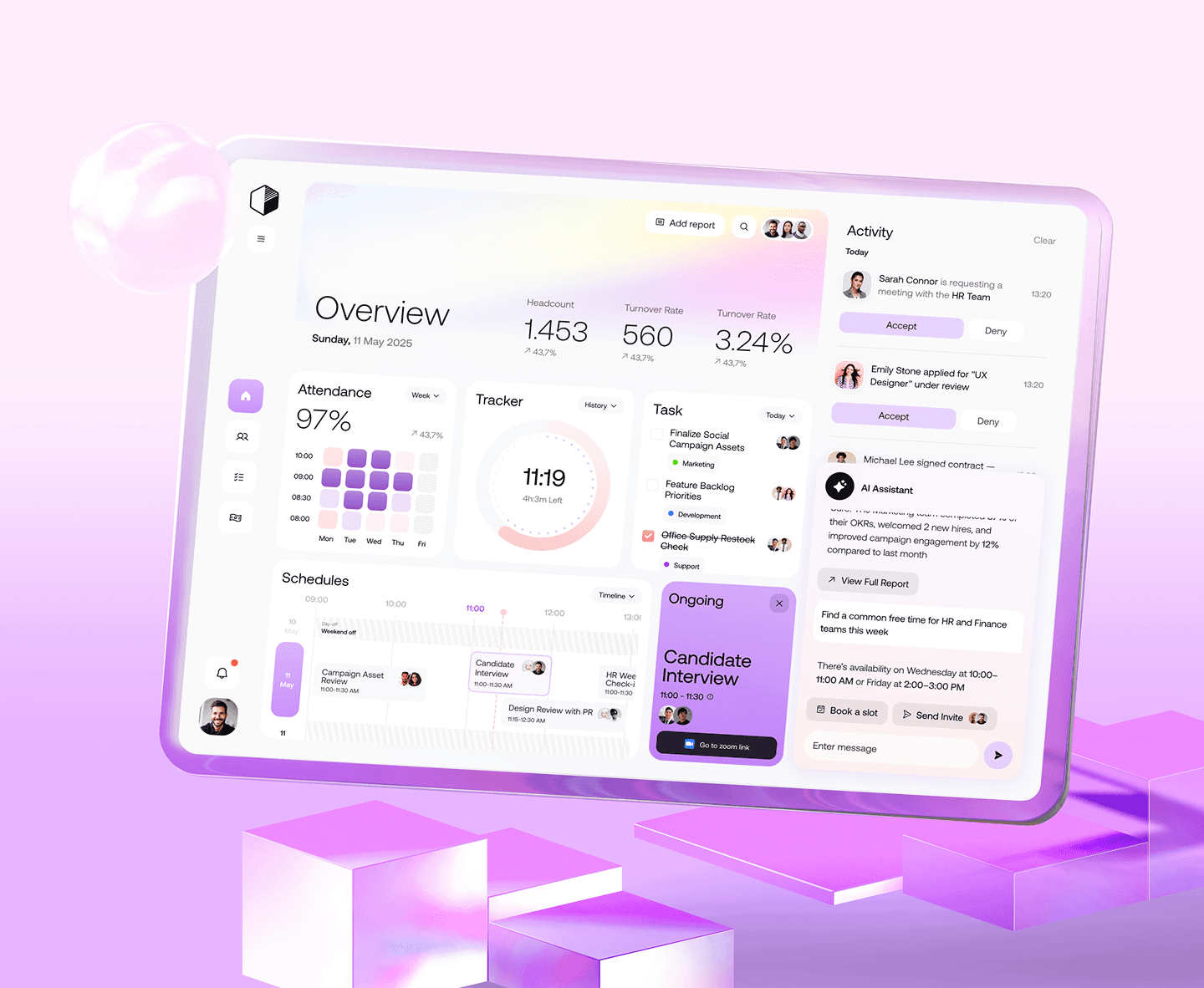
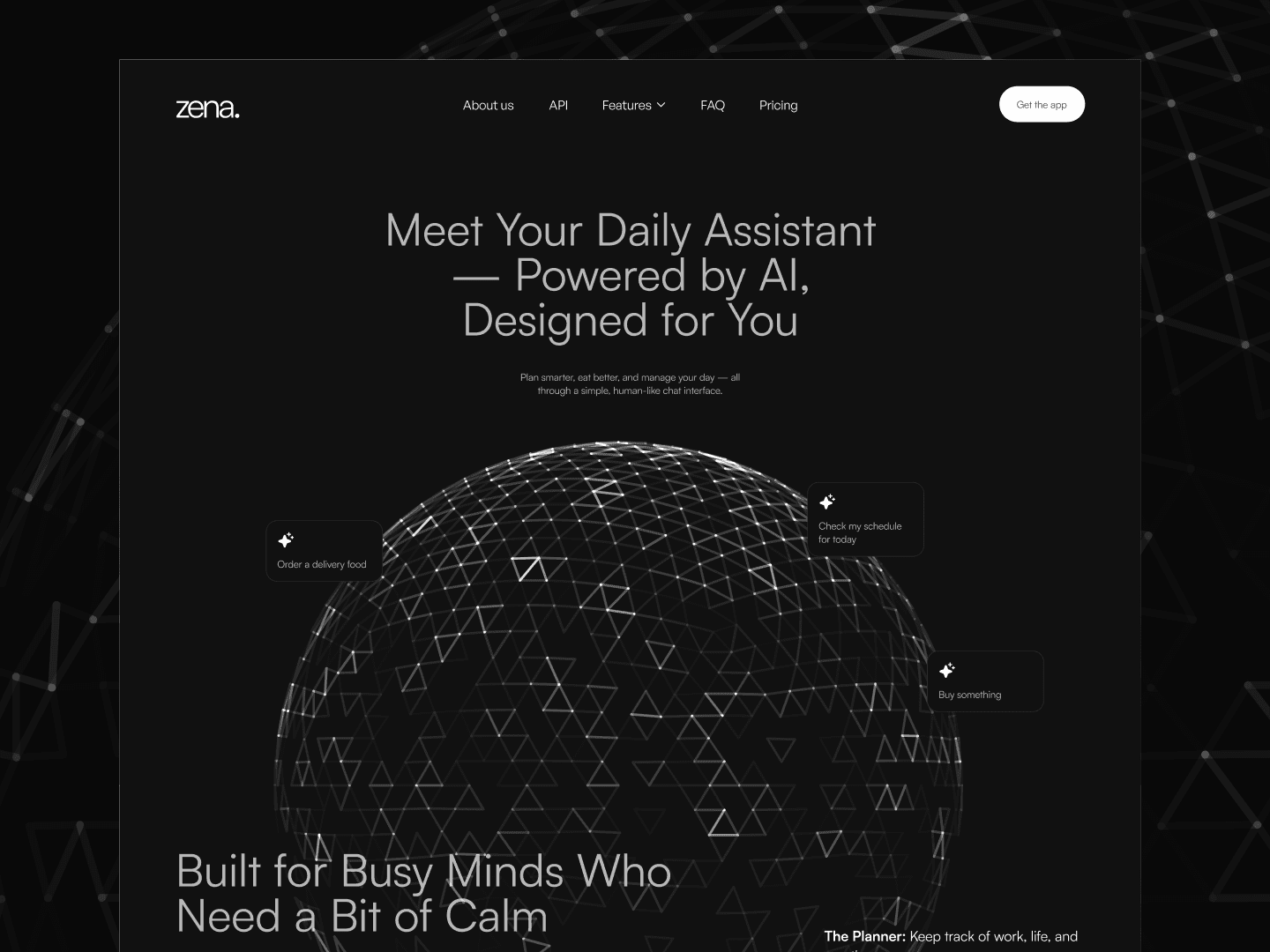
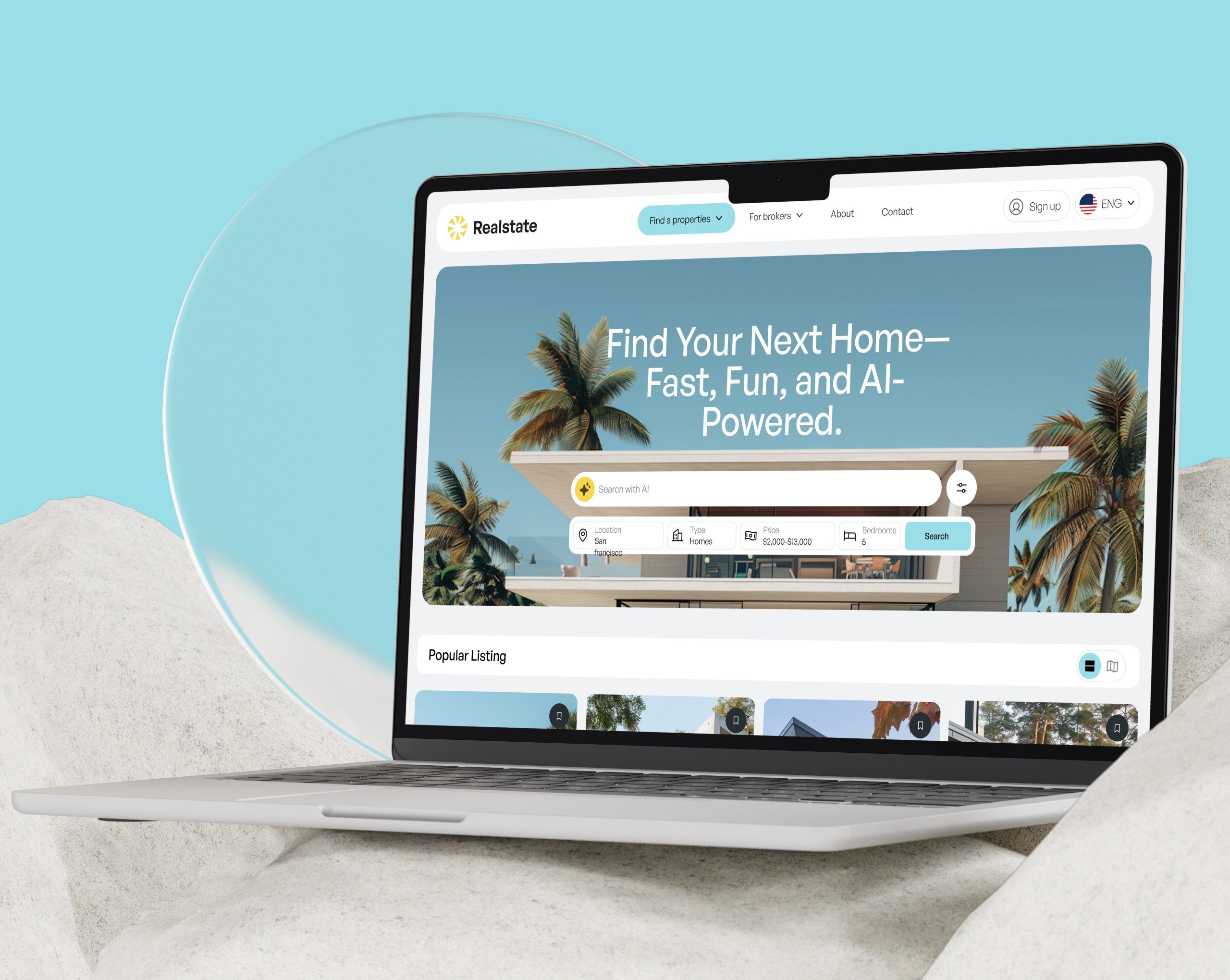
Selected product work across AI, SaaS and digital platforms, designed and built to be understood and used.
Short phases, each ending with something your team can use the same week.
Product Design & Collaboration
Figma
Adobe XD
Sketch
Framer
Prototyping & Interaction Design
Figma Prototype
Protopie
Invision
Principle
User Research & Testing
" width="28px"><path d="M 24.232 0 L 3.768 0 C 1.687 0 0 1.687 0 3.768 L 0 24.232 C 0 26.313 1.687 28 3.768 28 L 24.232 28 C 26.313 28 28 26.313 28 24.232 L 28 3.768 C 28 1.687 26.313 0 24.232 0 Z" fill="transparent" height="28px" id="wBRSmw1zS" stroke-dasharray="" stroke-linecap="butt" stroke-linejoin="miter" stroke-miterlimit="10" stroke-width="1" stroke="rgb(0, 0, 0)" width="28px"/><path d="M 13.766 6.384 L 10.556 6.384 C 10.249 6.384 10 6.135 10 5.828 L 10 0.234 C 10 0.105 9.895 0 9.766 0 L 8.234 0 C 8.105 0 8 0.105 8 0.234 L 8 5.828 C 8 6.135 7.751 6.384 7.444 6.384 L 6.556 6.384 C 6.249 6.384 6 6.135 6 5.828 L 6 0.234 C 6 0.105 5.895 0 5.766 0 L 4.234 0 C 4.105 0 4 0.105 4 0.234 L 4 5.828 C 4 6.135 3.751 6.384 3.444 6.384 L 0.234 6.384 C 0.105 6.384 0 6.489 0 6.618 L 0 12.534 C 0 12.664 0.105 12.768 0.234 12.768 L 3.766 12.768 C 3.896 12.768 4 12.663 4 12.534 L 4 6.94 C 4 6.633 4.249 6.384 4.556 6.384 L 5.444 6.384 C 5.751 6.384 6 6.634 6 6.94 L 6 12.534 C 6 12.664 6.105 12.768 6.234 12.768 L 7.766 12.768 C 7.896 12.768 8 12.663 8 12.534 L 8 6.94 C 8 6.633 8.249 6.384 8.556 6.384 L 9.444 6.384 C 9.751 6.384 10 6.634 10 6.94 L 10 12.534 C 10 12.664 10.105 12.768 10.234 12.768 L 13.766 12.768 C 13.896 12.768 14 12.663 14 12.534 L 14 6.618 C 14 6.489 13.895 6.384 13.766 6.384 Z" fill="transparent" height="12.768px" id="kXvvvk0Bw" stroke-dasharray="" stroke-linecap="butt" stroke-linejoin="miter" stroke-miterlimit="10" stroke-width="1" stroke="rgb(0, 0, 0)" transform="translate(7 7)" width="14px"/></g></svg>)
Maze
" width="25px"><path d="M 0 0 L 25 0 L 25 28 L 0 28 Z" fill="transparent" height="28px" id="nLd2zeJH0" width="25px"/><path d="M 10.34 11.493 C 13.58 9.72 18.055 7.251 18.055 0 L 12.653 0 C 12.653 4.011 10.724 5.09 7.715 6.788 C 4.476 8.562 0 11.03 0 18.204 L 5.401 18.204 C 5.401 14.193 7.331 13.113 10.339 11.494 Z M 19.599 9.796 C 19.599 13.806 17.669 14.886 14.66 16.584 C 11.42 18.358 6.944 20.826 6.944 28.077 L 12.346 28.077 C 12.346 24.066 14.275 22.986 17.284 21.289 C 20.524 19.515 25 17.047 25 9.796 Z" fill="rgb(0, 0, 0)" height="28.076999526977538px" id="vIKyUjNEU" width="24.999999767303468px"/></g></svg>)
Hotjar
Google Analytics
" width="28px"><path d="M 13.12 0 L 14.95 0 C 15.213 0.082 15.733 0.099 16.04 0.143 C 20.285 0.751 24.015 3.36 26.169 7.046 C 26.839 8.192 27.481 9.94 27.731 11.238 C 27.799 11.581 27.855 11.926 27.899 12.272 C 27.924 12.454 27.959 12.804 28 12.962 L 28 15.038 C 27.841 15.836 27.802 16.623 27.595 17.427 C 26.688 20.929 24.506 23.858 21.486 25.837 C 20.217 26.668 18.347 27.424 16.827 27.722 C 16.485 27.789 16.141 27.846 15.796 27.894 C 15.62 27.918 15.222 27.954 15.069 28 L 13.074 28 C 12.947 27.96 12.56 27.93 12.407 27.914 C 12.102 27.882 11.847 27.847 11.543 27.791 C 10.071 27.512 8.649 27.015 7.323 26.318 C 6.392 25.833 5.543 25.182 4.751 24.495 C 2.785 22.791 1.228 20.392 0.539 17.88 C 0.367 17.269 0.234 16.649 0.142 16.021 C 0.104 15.75 0.077 15.051 0 14.83 L 0 13.197 C 0.046 13.077 0.127 12.017 0.168 11.775 C 0.401 10.331 0.857 8.932 1.518 7.628 C 3.043 4.659 5.572 2.329 8.656 1.052 C 9.061 0.886 9.526 0.706 9.948 0.587 C 10.599 0.397 11.262 0.251 11.933 0.147 C 12.208 0.107 12.908 0.077 13.121 0.001 Z" fill="transparent" height="28px" id="ygbV2PcAW" stroke-dasharray="" stroke-linecap="butt" stroke-linejoin="miter" stroke-miterlimit="10" stroke-width="1" stroke="rgb(0, 0, 0)" width="28px"/><path d="M 7.063 0.036 C 9.883 -0.282 13.126 1.529 14.133 4.232 C 15.647 8.294 13.543 12.862 10.608 15.719 C 10.391 15.93 9.915 16.542 9.568 16.317 C 9.093 15.962 9.691 15.497 9.898 15.305 C 10.076 15.142 10.248 14.972 10.413 14.797 C 11.195 13.952 12.017 12.897 12.545 11.871 C 13.448 10.121 14.141 7.895 13.784 5.925 C 13.442 4.039 12.47 2.527 10.776 1.623 C 9.158 0.751 7.257 0.566 5.5 1.108 C 0.23 2.712 -0.532 9.183 2.769 13.018 C 3.435 13.792 4.404 14.508 5.304 14.984 C 4.653 14.266 3.79 12.87 4.202 11.859 C 3.764 11.441 3.333 10.717 3.202 10.123 C 3.034 9.365 3.101 8.495 3.44 7.79 C 3.53 7.602 3.67 7.389 3.783 7.21 C 3.32 6.47 3.293 5.671 3.714 4.908 C 4.234 3.97 5.247 3.416 6.239 3.12 C 7.402 2.792 8.566 2.844 9.729 3.131 C 9.591 2.947 9.439 2.663 9.644 2.453 C 10.018 2.069 10.692 3.667 10.679 3.849 C 10.604 4.014 9.699 4.472 9.503 4.585 C 9.233 4.741 9.104 4.523 9.027 4.293 C 9.167 4.072 9.313 3.989 9.54 3.879 C 8.508 3.728 7.9 3.612 6.837 3.818 C 5.923 3.995 5.047 4.357 4.49 5.15 C 4.122 5.673 4.182 6.02 4.297 6.6 C 5.094 6.014 5.748 5.64 6.77 5.525 C 8.105 5.388 9.538 5.421 10.658 6.256 C 11.254 6.701 11.445 7.504 10.921 8.086 C 10.393 8.674 9.393 8.951 8.626 9.015 C 7.03 9.147 5.541 8.873 4.283 7.835 C 3.76 8.78 3.727 9.917 4.371 10.817 C 4.451 10.927 4.541 11.035 4.626 11.141 C 5.207 10.489 6.199 10.085 7.054 9.961 C 8.165 9.815 9.582 9.886 10.533 10.536 C 11.155 10.961 11.25 11.748 10.795 12.336 C 10.324 12.944 9.625 13.2 8.882 13.305 C 7.465 13.505 5.999 13.242 4.837 12.373 C 4.878 12.594 4.935 12.92 5.023 13.132 C 5.349 13.898 5.97 14.595 6.589 15.139 C 6.969 15.472 7.815 15.973 6.955 16.377 C 5.691 16.135 4.247 15.39 3.255 14.569 C 2.553 14 1.947 13.321 1.462 12.558 C -0.498 9.545 -0.603 5.311 1.852 2.535 C 3.186 1.027 5.062 0.164 7.062 0.036 Z M 7.58 10.7 C 6.648 10.76 5.903 11.018 5.211 11.65 C 5.985 12.247 7.029 12.568 8.003 12.555 C 8.638 12.53 10.296 12.375 10.286 11.538 C 10.276 10.726 8.05 10.668 7.58 10.7 Z M 7.858 6.22 C 6.606 6.256 5.746 6.468 4.763 7.24 C 5.603 7.852 6.326 8.122 7.383 8.2 C 8.28 8.274 9.45 8.22 10.217 7.683 C 10.439 7.527 10.521 7.189 10.315 6.989 C 9.825 6.514 8.918 6.279 8.259 6.234 C 8.126 6.225 7.992 6.22 7.858 6.221 Z" fill="rgb(0, 0, 0)" height="16.377156571936037px" id="OSVAS2XMg" transform="translate(6.5 6)" width="14.637747612784672px"/></g></svg>)
Lookback
Design Systems & Handoff
Figma Libraries
Zeplin
Storybook
ZeroHeight
Project Collaboration & Workflow
Notion
Jira
Trello
Slack
Product designers who also ship code. Digcy is a Dribbble Selected Agency, and our work on the a16z-backed ZeroDrift received an Awwwards Honorable Mention.
Built for AI States
We design for thinking, streaming, uncertainty and approval from the start, not as an afterthought.
Designers Who Ship Code
Systems arrive as Figma components and code-ready tokens, so nothing gets lost in handoff.
Proven With Funded Products
We designed ZeroDrift, an AI compliance platform that raised $2M from a16z, and our clients have secured $100M+ in funding.
Readable by AI Tools
Tokens and rules written so AI coding tools stay on-brand instead of inventing new styles.
Focused Phases
Each phase ends with something usable, so your team never waits months for a finished library.
Built to Evolve
Models and features change fast. The system is structured so new AI capabilities fit without a redesign.
Success.
/5



Stay informed about our latest projects, trends, and industry insights.
Digcy
Freelancers
Other Agencies
Speed without a system turns into inconsistency.
AI coding tools and fast teams ship a lot of UI. Without shared rules, every new screen invents its own buttons, spacing and loading states, and the product starts to feel generated instead of designed.
It is time for a design system built for AI when:
Each AI feature shows thinking, streaming and errors in a different way
Your app looks generic next to competitors, or investors call it a prototype
Users cannot tell AI-generated content from their own
Agents act, but nobody can see what they did or approve it first
AI coding tools keep producing off-brand components
Designers and engineers rebuild the same pieces again and again
Quick answers about design systems for AI products.
What is a design system for an AI product?
A shared set of tokens, components, states and usage rules that covers standard UI and the AI-specific moments: streaming, citations, confidence, errors and agent approval.