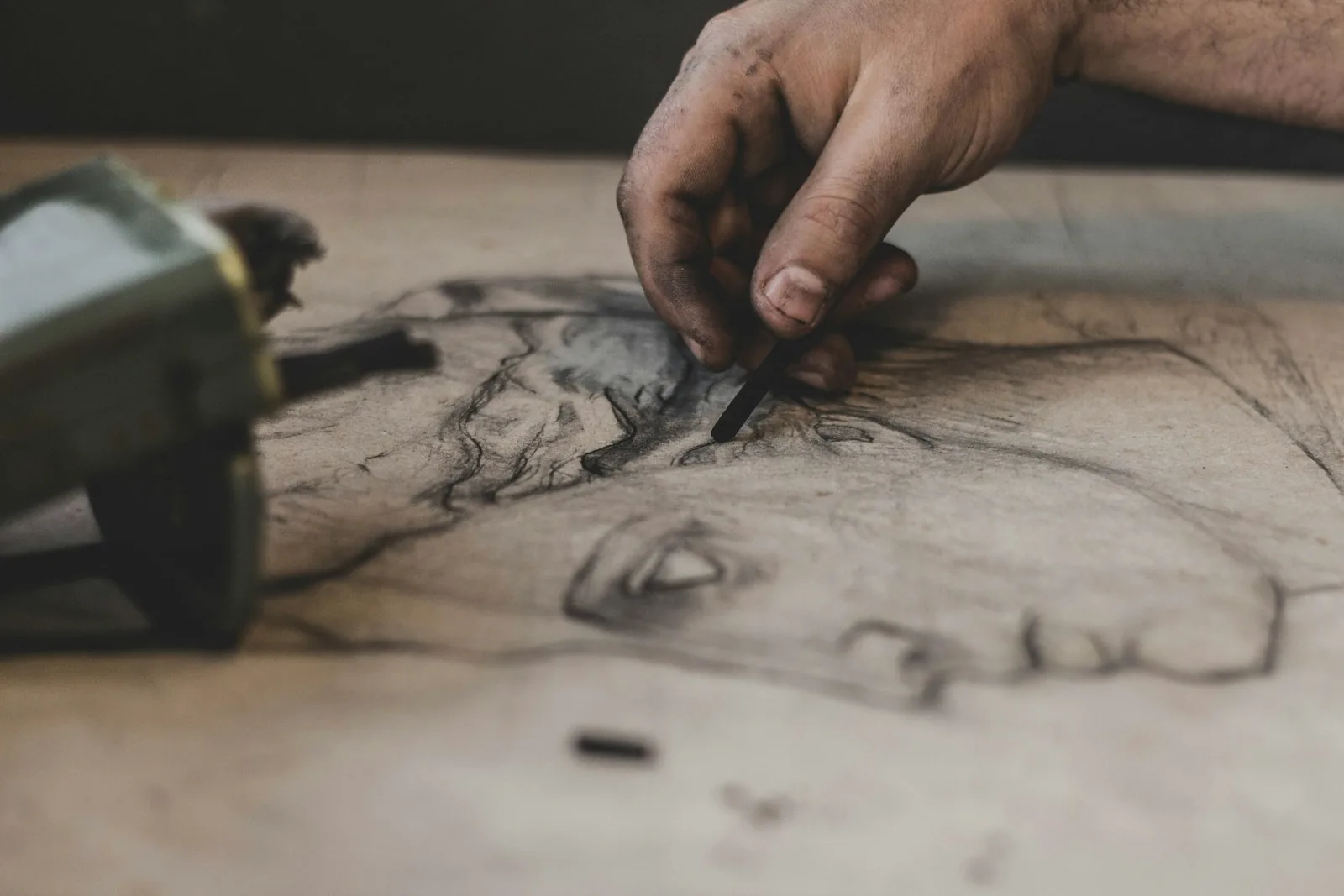
Sketch hands the composition back to the designer. The model renders, you direct, and the comment box replaces the endless re-prompt.
ChatGPT Images 2.5 for designers: the short answer
ChatGPT Images 2.5 for designers is mostly about control, not raw image quality. OpenAI released it on 8 September 2026, and alongside the new model it added Sketch (type @Sketch and draw a rough layout that guides the final image), comments placed directly on an image for targeted edits, templates for formats like posters and merch, and the option to share the prompt behind an image. According to OpenAI's announcement, it is available to all ChatGPT, ChatGPT Work and Codex users across desktop, mobile and web.
The practical way to use it: draw the composition yourself, describe the style in words, then fix details with on-image comments instead of rewriting the prompt. That loop keeps the layout decisions with you and hands the rendering to the model. This playbook walks through the workflow, where it breaks, and what it means for the job.
What OpenAI actually shipped
Here is what the announcement states, without embellishment.
A new image model. OpenAI says Images 2.5 produces more natural lighting and richer textures, preserves subjects from reference photos better, follows editing instructions more reliably across multiple turns, and cuts generation latency by up to 50% compared with Images 2.0. These are vendor claims, not independent benchmarks.
Sketch. You type @Sketch in ChatGPT, draw directly on a canvas, and add a description of style and details. The drawing acts as a visual guide for the generated image.
Comments on images. You can place a comment on a specific part of an image to focus an edit there.
Templates. Starting points such as Poster and Merch, where you fill in the information to convey, design elements and style.
Prompt sharing. When you share an image, you can include the prompt so someone else can reuse it with their own photos.
Two API models. GPT-Image-2.5 Flare is the default for most applications. GPT-Image-2.5 Sunburst trades longer generation time for tighter control across edits.
One line in the announcement matters for product teams: OpenAI says the model is more likely to keep requested composition and details in briefs such as UI concepts that preserve a given hierarchy. That is a direct invitation to use it for interface and presentation visuals, so it is worth knowing where that holds and where it does not.
The Sketch, Comment, Lock workflow
The method that fits Images 2.5 best is a three-step loop: Sketch, Comment, Lock. It works for moodboards, landing page hero art, onboarding illustrations, campaign key visuals and presentation imagery.
Step 1: Sketch the composition, not the details
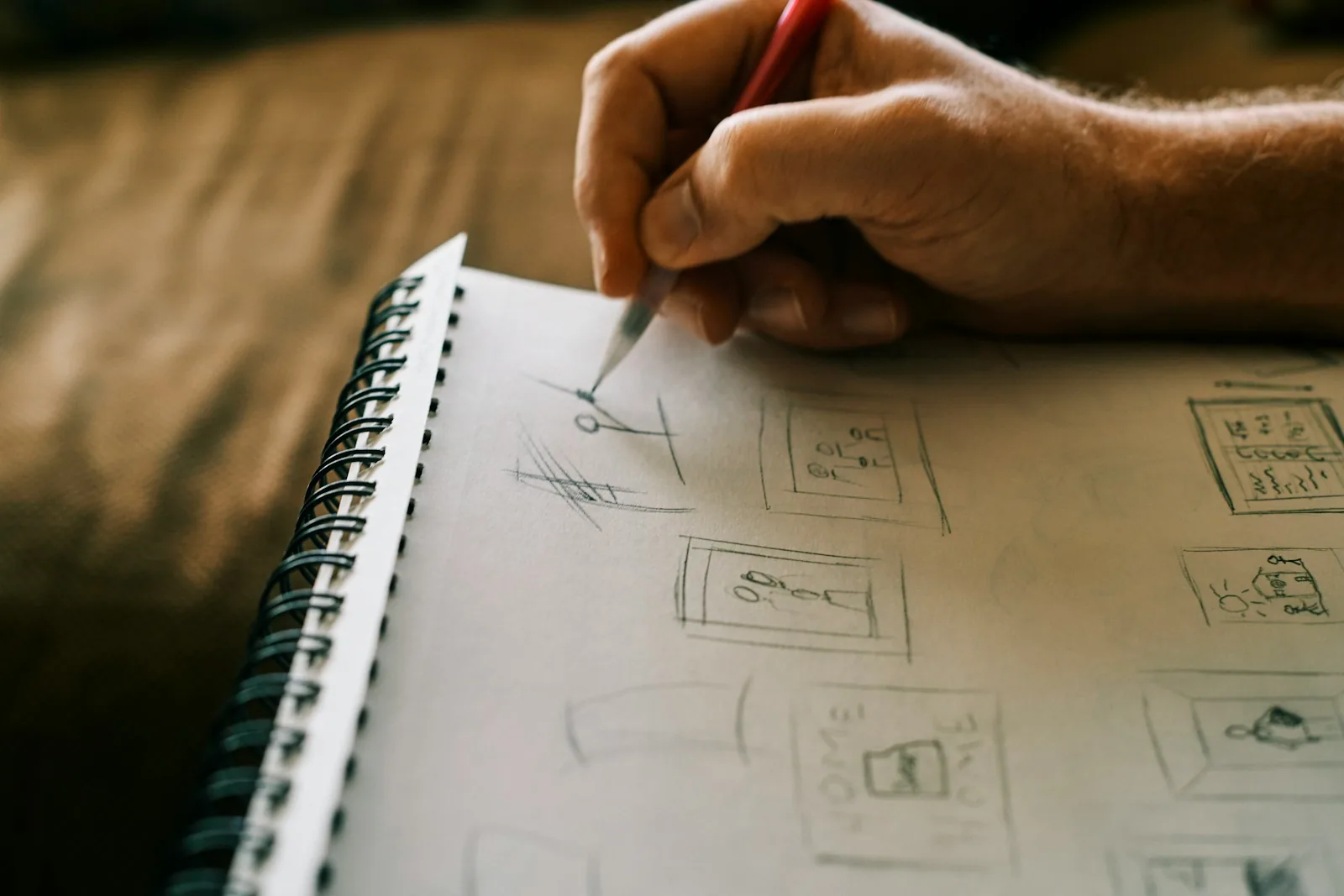
Open a chat and type @Sketch. Draw boxes and arrows, not drawings: where the subject sits, where the headline space goes, what is foreground and background. A designer's rough thumbnail is exactly the input this feature wants. Then write a short brief next to it covering style, lighting, palette and what must stay empty (for example "leave the left third clear for a headline").
Keep the first prompt short. Long first prompts mix composition, style and copy, and when the result is wrong you cannot tell which instruction failed.
Step 2: Comment instead of re-prompting
When the first image is close, do not regenerate. Place a comment on the exact area that needs to change: "make this phone screen blank", "move the light source to the right", "remove the second plant". OpenAI says Images 2.5 is better at editing only what you asked for while keeping the rest the same, and that earlier edits are more likely to stay consistent across turns. Test that promise on your own work before relying on it, and keep each comment to one change.
Step 3: Lock what works and share the recipe
Once an image is right, save the prompt with it. Prompt sharing turns a good result into a team asset: another designer can reuse the same recipe with their own photo or product. For a team, this is the beginning of a visual style library that lives next to your design system for AI, written as prompts rather than only as tokens.
Sketch-led vs prompt-only image generation
Criteria | Prompt-only generation | Sketch, Comment, Lock with Images 2.5 |
|---|---|---|
Who decides the composition | The model, guided by words | The designer, through a drawing |
How you fix a detail | Rewrite and regenerate the whole prompt | Comment on the area that needs to change |
Risk of drift between versions | Higher, every regeneration starts over | Lower according to OpenAI, edits build on the previous image |
Reusability | Prompt lives in someone's chat history | Shared prompt can be reused by the team |
Best for | Quick exploration, abstract moods | Layout-specific art, hero images, key visuals |
Weak spot | Unpredictable framing | Still needs a human check for brand, text and rights |
Verdict: use prompt-only generation when you do not know what you want yet. Switch to Sketch the moment you know where things should sit on the canvas.
Where it breaks
Be honest about the limits before you put this output in a product.
It is not a UI design tool. A generated image of an interface is a picture, not components, states or code. Use it for concept boards and pitch visuals. For real interface work, tools that write to the canvas, such as the Figma agent for designers, are the better fit.
Text still needs checking. OpenAI says the model handles real-world information and complex layouts more accurately. Proofread every word anyway, and set final typography in your design tool rather than trusting rendered type.
Brand consistency is your job. Better subject preservation helps, but the model does not know your brand guidelines unless you describe them every time. A shared prompt recipe is the closest thing to a guardrail.
Provenance and rights. OpenAI says it uses C2PA metadata and invisible watermarking on images made with its tools. Some export and compression pipelines strip metadata, so keep a record of which assets were generated, and check your client contracts on AI imagery before delivery.
Hype vs reality
The hype says ChatGPT now does what an illustrator or art director does. The reality is narrower and more useful. Sketch closes the gap between "I can see it in my head" and "the model guessed something else", and comments make iteration cheaper. Neither feature decides what the image should communicate, who it is for, or whether it fits the rest of the product. The verdict: a real upgrade for concepting and marketing visuals, a minor one for product UI.
If youOther vendors are moving the same way. Nano Banana 2.1 for designers and Ideogram 4.5 for brand-safe image editing show the identical pattern: editing control is becoming the product, and generation quality is becoming the baseline.here this takes design work
Over the next one to three years, image generation moves from "write a prompt and hope" to direct manipulation: draw, point, comment, adjust. That is the language designers already speak. The role shifts toward art direction: defining the composition, the constraints and the review standard, and maintaining prompt recipes the way teams maintain component libraries. The same direction shows up in interfaces themselves, as covered in ChatGPT Intelligent UI for designers.
The fear: is this coming for my job?
If your work is producing one-off stock-style illustrations to a loose brief, that work is under real pressure, and pretending otherwise does not help. If your work is deciding what an image needs to do in a product or campaign, Sketch makes you faster, because the model now takes your composition as input instead of ignoring it. The honest move is to get good at directing these tools this month, not to wait. A longer answer is in will AI replace UX designers.
Moves for this week: take one real brief, sketch it in ChatGPT with @Sketch, make three edits using comments only, and save the prompt as a team recipe. Note where it drifted.
If you need launch visuals, product motion or a full product designed around AI, DIGCY offers UI/UX design services and motion design and AI video. DIGCY is a Dribbble Selected Agency and a product design agency in Casablanca working with clients globally.
FAQ
What is new in ChatGPT Images 2.5 for designers?
ChatGPT Images 2.5, released on 8 September 2026, adds Sketch for drawing a rough layout that guides the image, comments placed directly on an image for focused edits, templates such as Poster and Merch, and prompt sharing. OpenAI also says the model edits more precisely and generates up to 50% faster than Images 2.0.
How do I use Sketch in ChatGPT?
Type @Sketch in a ChatGPT conversation to open a drawing surface, draw the composition you want, and add a written description of the style and details. ChatGPT uses the drawing as a visual guide for the final image.
Can ChatGPT Images 2.5 design a UI?
It can generate images of interface concepts, and OpenAI says it is better at keeping a given hierarchy. The output is still a flat image, not editable components or code, so use it for concept boards and pitch visuals rather than production UI.
What is the difference between GPT-Image-2.5 Flare and Sunburst?
Both are API models. OpenAI positions Flare as the default for most applications with lower latency, and Sunburst as the option for premium visual workflows that need tighter control across edits, at the cost of longer generation times.
Will ChatGPT Images 2.5 replace graphic designers?
It replaces some low-direction production work, such as generic illustrations to a loose brief. It does not replace deciding what an image must communicate, keeping a brand consistent or judging fit with a product, which is where designers add the most value.
Is ChatGPT Images 2.5 overhyped?
Partly. The model upgrade is a vendor claim until you test it on your own work. The genuinely useful part is the control layer: drawing the composition and commenting on exact areas makes iteration faster and more predictable.
Let’s keep in touch.
Discover more about high-performance web design. Follow us on Twitter and Instagram.